

The Complete Fuel Savings Guide for Truck Dispatchers in 2025
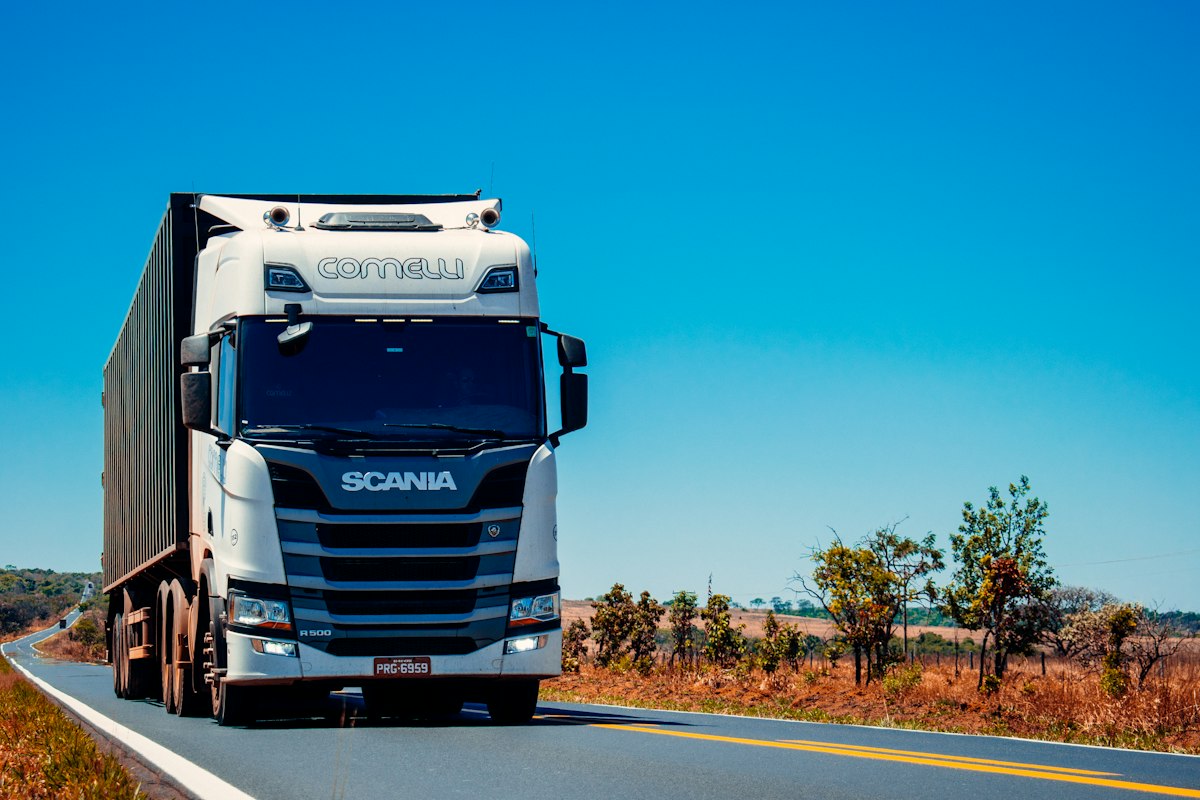
Fuel is the single largest operating expense for every owner-operator and trucking company in the United States. At current diesel prices a Class 8 truck running 2,500 miles per week consumes approximately 400 to 500 gallons of diesel weekly at a cost of $1,600 to $2,000. Over a year that is $83,000 to $104,000 in fuel costs alone — before insurance payments truck payments maintenance or any other operating expense. Even a 5% reduction in fuel costs generates $4,000 to $5,000 in annual savings for a single truck.
As a dispatcher fuel savings is not your primary responsibility — but it is a genuine value-add that distinguishes professional dispatchers from basic load finders. A dispatcher who understands fuel cards fuel surcharge optimization deadhead minimization and fuel-efficient routing is a dispatcher whose carriers net more money on every load — which means higher carrier satisfaction longer retention and ultimately more commission income for you. This guide covers every fuel savings strategy that a dispatcher can practically influence and advise on.
💡 Dispatcher Fuel Value Proposition: Every dollar saved in fuel costs is a dollar that stays in your carrier's pocket — improving their net income without requiring a single rate increase. A dispatcher who saves their carrier $500 per month in fuel costs through better routing and fuel card advice generates as much value as a $0.04 per mile rate improvement on a 2,500 mile week.
Understanding Fuel Costs in Trucking

A Class 8 semi-truck gets approximately 5.5 to 7.5 miles per gallon of diesel depending on truck age aerodynamics load weight terrain and driver behavior. At 6 MPG average a truck running 150,000 miles annually consumes approximately 25,000 gallons of diesel per year. At current US average diesel prices of $3.80 to $4.20 per gallon that is $95,000 to $105,000 in annual fuel expense.
The fuel cost as a percentage of gross revenue tells a carrier how efficiently they are managing this expense. Industry benchmark is 25% to 30% of gross revenue going to fuel for most OTR operations. Carriers running above 35% fuel cost as a percentage of revenue are experiencing a profit squeeze that affects their ability to sustain operations and pay their bills reliably — including your dispatch commission.
As a dispatcher monitoring your carriers' fuel cost efficiency is part of professional service. When a carrier mentions they are struggling financially the first diagnostic question is always their fuel cost percentage. Understanding this number tells you whether the problem is insufficient rate — a load finding issue — or excessive fuel expense — an operational efficiency issue that better routing and fuel purchasing practices can address.
Fuel Cards — The Foundation of Fuel Savings

Fuel cards are specialized payment cards designed specifically for commercial trucking that provide discounts at truck stops and fuel networks across the United States. For an owner-operator buying fuel retail at any truck stop they find convenient the annual fuel overspend compared to a carrier using a professional fuel card program is significant — often $5,000 to $15,000 per year on a single truck.
EFS — Electronic Funds Source
One of the largest fuel card networks in the US. Works at over 4,000 fuel stops nationwide. Offers negotiated discounts at major truck stop chains including Pilot Flying J Love's and TA Petro. Popular with factoring companies who often bundle EFS cards with their services.
Comdata
Industry veteran with the largest acceptance network. Particularly strong at independent truck stops that may not accept other fuel cards. Offers cash advance capabilities useful for drivers who need funds for unexpected expenses during long runs.
Pilot Flying J Fuel Card
Pilot Flying J is the largest truck stop chain in the US with over 750 locations. Their My Pilot card offers tiered discounts based on monthly fuel volume — higher volume earns better per-gallon discounts. Best for carriers who frequently run corridors with strong Pilot Flying J presence.
Love's Rewards Card
Love's Travel Stops has over 600 locations with particularly strong coverage in the South and Midwest. Their rewards program accumulates points on every purchase redeemable for fuel discounts showers and merchandise — useful for carriers who frequently run through Love's coverage areas.
Relay Payments Fuel Card
A newer digital fuel card solution designed specifically for small fleets and owner-operators. Integrates with the Relay app for real-time fuel price comparison at nearby truck stops. Useful for carriers who want technology-driven fuel cost optimization rather than a traditional card program.
Factoring Company Fuel Cards
Most factoring companies include fuel card programs as part of their service offering. EFS through OTR Capital Thunder Funding and RTS Financial often provide competitive per-gallon discounts. If your carrier factors review their factoring agreement fuel card terms before recommending a standalone fuel card — bundled programs are often the best value.
Fuel Surcharge — What It Is and How to Maximize It

The fuel surcharge — FSC — is the component of freight rates that compensates carriers for diesel price fluctuations above a baseline established in the broker-carrier agreement. Understanding how FSC is calculated and how to negotiate it correctly is a practical fuel savings strategy that many new dispatchers overlook.
The Department of Energy publishes weekly national average diesel prices every Monday at eia.gov. Most broker rate structures tie their FSC to these weekly published prices using a table that specifies the per-mile surcharge at each price band. When diesel prices rise the FSC automatically increases and when they fall it decreases — in theory providing fuel cost stability for carriers regardless of market price movements.
| DOE Diesel Price Range | Typical FSC Per Mile | Weekly Impact on 2500 Mile Run |
|---|---|---|
| $3.00 to $3.24 | $0.35/mile | $875 FSC collected |
| $3.25 to $3.49 | $0.40/mile | $1,000 FSC collected |
| $3.50 to $3.74 | $0.45/mile | $1,125 FSC collected |
| $3.75 to $3.99 | $0.50/mile | $1,250 FSC collected |
| $4.00 to $4.24 | $0.55/mile | $1,375 FSC collected |
| $4.25 and above | $0.60/mile | $1,500 FSC collected |
The key FSC negotiation point is whether the broker quotes an all-in rate — linehaul plus FSC combined — or quotes linehaul separately with FSC as an add-on. Always clarify this during rate negotiation. When diesel prices are high an all-in rate negotiation may actually result in a lower total than negotiating linehaul separately with FSC applied on top. Do the math for both scenarios before accepting any all-in rate offer when diesel prices are elevated.
Deadhead Minimization — The Highest-Impact Fuel Strategy
Deadhead miles — the empty miles a carrier drives to reach a load's pickup location — are the most expensive miles in any trucking operation. Every deadhead mile burns diesel generates no revenue contributes to wear and represents pure cost with zero compensation. Minimizing deadhead percentage is the single highest-impact fuel savings strategy available to a dispatcher because it simultaneously reduces fuel costs and improves revenue efficiency.
Professional dispatchers track deadhead percentage for each carrier weekly. Industry benchmark for well-managed dry van operations is 10% to 15% deadhead as a percentage of total miles. Operations running above 20% deadhead are burning fuel and income that better load planning could recover. Calculate: deadhead miles divided by total miles multiplied by 100 equals deadhead percentage. Review this weekly and use it to evaluate load selection quality over time.
Load Selection Based on Deadhead Economics
Always calculate effective rate including deadhead before selecting a load. A $2.80 per mile loaded load requiring 150 deadhead miles has meaningfully different economics than one requiring 30 deadhead miles. Use total miles including deadhead as your denominator for all rate comparisons.
Round Trip Load Planning
When possible plan loads in pairs — a load from origin A to destination B followed by a load from B back toward A or toward the carrier's next preferred location. This round-trip planning minimizes the empty backhaul that is the most expensive deadhead pattern in OTR dispatching.
Relay and Drop Hook Opportunities
Some brokers offer relay loads where carriers pick up a pre-loaded trailer and drop their current trailer — eliminating the time and fuel of loading and unloading. Drop-and-hook opportunities that appear near a carrier's current position are high-efficiency options that deserve priority evaluation when they align with rate requirements.
Advance Load Planning Reduces Deadhead
Beginning load search 24 to 48 hours before a carrier's delivery gives you time to find loads originating near the delivery destination rather than scrambling for whatever is available at the last minute. Advance planning consistently produces lower deadhead loads than reactive same-day searching.
Idle Reduction — The Invisible Fuel Drain
An idling Class 8 truck burns approximately 0.8 gallons of diesel per hour. A driver who idles for 8 hours overnight to run the cab's heating or air conditioning burns 6.4 gallons — approximately $24 to $27 per night in fuel at current diesel prices. Over a 250-night working year that is $6,000 to $6,750 in idle fuel costs for a single truck — entirely recoverable through idle reduction practices.
The most effective idle reduction solution for overnight comfort is an Auxiliary Power Unit — APU. An APU is a small diesel engine mounted on the truck that runs the cab's climate control systems at a fraction of the fuel consumption of the main engine. APUs burn approximately 0.1 to 0.2 gallons per hour versus 0.8 for main engine idling — a savings of 75% to 87.5% of overnight idle fuel costs. The payback period on a quality APU at current fuel prices is typically 12 to 18 months.
For carriers who are not yet ready to invest in an APU shore power — also called truck stop electrification — provides idle reduction at facilities that offer it. Pilot Flying J Love's and some TA Petro locations offer shore power hookups that provide cab climate control from the facility's electrical grid for a fee of $1 to $2 per hour — far cheaper than idling the main engine.
The Complete Fuel Savings Action Plan for Dispatcher-Carrier Partnerships
- Recommend and help set up a professional fuel card immediately during carrier onboarding — EFS or Comdata for most carriers
- Always calculate effective rate including deadhead before confirming any load
- Track deadhead percentage weekly per carrier — target below 15%
- Begin load searches 24 to 48 hours before delivery to maximize advance planning benefits
- Understand your carriers' FSC terms and calculate all-in vs separate FSC scenarios when diesel prices are elevated
- Advise carriers on APU investment when overnight idling is a regular pattern — the ROI is strong at current fuel prices
- Monitor DOE weekly diesel prices every Monday — rising prices signal the need to ensure FSC terms are correctly structured
🚀 Build Your Complete Dispatching Skills
The Tycoon Dispatch Academy 23-module program covers every aspect of professional dispatching including carrier income optimization fuel efficiency strategies and complete operational management. Join today.
💬 WhatsApp Us — Start Learning📚 Continue Learning
© 2025 Tycoon Dispatch Academy — All Rights Reserved | Privacy Policy | Disclaimer | Terms & Conditions



