

The Complete Owner Operator Business Model 2026 — Costs, Profit, and the Dispatcher Partnership Explained
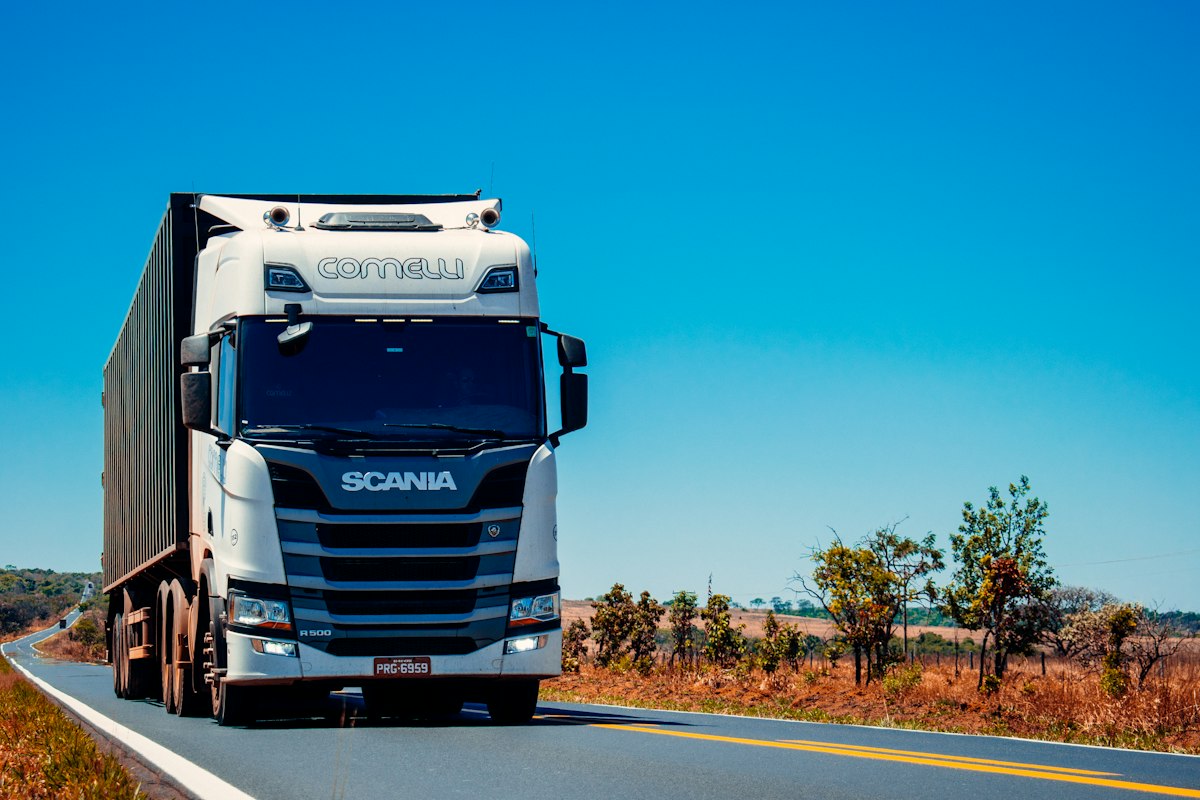
To dispatch effectively for owner operators, you need to understand their business at a level far deeper than simply knowing they own a truck and need loads. An owner operator is running a genuine small business with real fixed costs, real variable costs, real profit margin pressures, and real decisions about equipment, routes, and growth that directly determine whether their trucking operation is a sustainable livelihood or a constant financial struggle. A dispatcher who understands this complete picture becomes a genuine business partner rather than simply a load-finding service.
This guide is a comprehensive breakdown of the owner operator business model from the ground up — covering every major cost category, how profit margins actually get calculated, the equipment decisions that shape an owner operator's entire cost structure, and exactly where a skilled dispatcher fits into helping an owner operator run a genuinely profitable business rather than simply staying busy.

💡 The Business Owner Mindset: An owner operator is not an employee who happens to own equipment — they are a small business owner whose entire operation depends on the same fundamentals as any other business: revenue must consistently exceed costs by a healthy margin, or the business is not actually viable regardless of how busy the truck appears to be.
The Fixed Cost Structure Every Owner Operator Carries

Fixed costs are the expenses an owner operator faces every single month regardless of how many miles they drive or how many loads they haul. Understanding these costs is essential because they represent the baseline revenue an owner operator must generate before any of their effort translates into actual personal income. A truck sitting idle for a week still accumulates these costs in full, which is precisely why consistent load flow matters so much more to an owner operator's financial health than the occasional premium rate on a single load.
Truck Payment or Lease
Whether financed or leased, the monthly truck payment is often the single largest fixed cost an owner operator faces, frequently ranging from fifteen hundred to twenty-five hundred dollars per month depending on the truck's age, condition, and financing terms.
Insurance Premiums
Commercial truck insurance, including liability, cargo, and physical damage coverage, represents a substantial recurring monthly cost that varies based on the carrier's safety record, cargo type, and operating history.
Operating Authority and Permits
Annual and periodic fees for maintaining FMCSA operating authority, IRP registration, and any state-specific permits required for the carrier's operating territory add up to a meaningful annual cost that should be budgeted monthly.
ELD and Technology Subscriptions
Electronic logging device subscriptions, GPS tracking, and any additional fleet management software the carrier uses represent ongoing monthly costs that, while smaller individually, accumulate meaningfully over a year.
The Variable Cost Structure That Fluctuates With Activity

Unlike fixed costs, variable costs rise and fall directly with how much the truck actually operates. Fuel is overwhelmingly the largest variable cost, often representing thirty to forty percent of total revenue depending on current diesel prices and the truck's fuel efficiency. Maintenance and repair costs, while somewhat unpredictable on any given month, average out to a meaningful per-mile cost over the life of the truck and should be budgeted as an ongoing reserve rather than treated as a surprise expense each time something breaks. Tolls, scale fees, and lumper fees at certain facilities add smaller but real variable costs that accumulate across a busy month of running.
How Profit Margin Actually Gets Calculated
Calculate Total Gross Revenue
Sum every dollar earned from freight rates across a defined period, typically a month, before subtracting anything. This is the top-line number that most casual observers mistake for actual profit.
Subtract All Fixed Costs
Remove truck payment, insurance, permits, and subscription costs from gross revenue to determine what remains after the baseline costs that exist regardless of activity level.
Subtract All Variable Costs
Remove fuel, maintenance reserve, tolls, and any other costs that scaled with the actual miles driven and loads hauled during the period.
Subtract Dispatch Fees if Applicable
If working with a professional dispatcher, subtract the dispatch fee percentage from gross revenue, since this is a real cost of doing business that should be weighed against the rate improvement and time savings the dispatcher provides.
What Remains Is True Take-Home Profit
The number left after every cost category is subtracted represents the owner operator's actual personal income for that period — and this is the number that should drive every business decision, not the gross revenue figure that looks more impressive but tells an incomplete story.
Equipment Decisions and Their Long-Term Cost Implications

New Truck vs. Used Truck
A new truck typically carries a higher monthly payment but lower immediate maintenance risk and stronger fuel efficiency, while a used truck reduces the monthly payment burden but increases the probability and cost of unexpected repairs. Neither choice is universally correct — the right decision depends on the owner operator's available capital, risk tolerance, and how much they value payment predictability versus lower fixed costs.
Equipment Specialization Decisions
Choosing dry van, reefer, or flatbed equipment affects not just the upfront and ongoing equipment costs but also the available freight pool, typical rate levels, and required maintenance expertise. Specialized equipment like reefer units carries higher maintenance complexity but often accesses freight with less competitive pressure on rates.
Fuel Efficiency Technology Investment
Investments in fuel-efficient technology, from aerodynamic add-ons to engine idle reduction systems, carry upfront costs but can produce meaningful long-term fuel savings that improve the overall profit margin calculation across the life of the truck.
Where the Dispatcher Fits Into This Complete Picture
A dispatcher who understands this complete cost and profit picture approaches their role fundamentally differently than one who simply thinks of their job as finding loads. Every load sourcing decision, every negotiation, and every piece of operational advice should be filtered through the lens of how it affects the owner operator's actual take-home profit, not just the headline rate on a single load.

This means prioritizing consistent load flow that keeps fixed costs covered every single week, factoring deadhead and fuel costs into every load evaluation rather than looking only at the posted rate, recommending cost-saving measures like fuel card enrollment that directly improve the variable cost side of the equation, and having honest, data-driven conversations about overall monthly profitability rather than only discussing individual loads in isolation.
✅ The True Partnership Test: A dispatcher who can sit down with an owner operator at the end of any given month and walk through their actual revenue, costs, and profit margin with specific numbers — not vague impressions — is operating as a genuine business partner. This level of engagement is rare in the industry and is precisely what builds the kind of carrier loyalty that sustains a dispatching career for years.
⚠️ The Gross Revenue Trap: Many new dispatchers, and many new owner operators, focus exclusively on gross revenue without tracking actual profit margin. A truck running constantly at an impressive gross revenue figure but with poor fuel management, excessive deadhead, and high maintenance costs from deferred repairs may actually be less profitable than a truck running fewer miles with disciplined cost management.
The Owner Operator Business Model — Core Principles
- Fixed costs — truck payment, insurance, permits, and technology subscriptions — accumulate every month regardless of activity level
- Variable costs, led overwhelmingly by fuel, scale directly with miles driven and must be factored into every load evaluation
- True profit is calculated by subtracting all fixed costs, variable costs, and dispatch fees from gross revenue — not gross revenue alone
- Equipment decisions around truck age, specialization, and fuel efficiency technology shape the entire long-term cost structure
- A dispatcher who understands this complete picture prioritizes consistent load flow and genuine cost-saving partnership over isolated rate maximization
- Regular, specific conversations about actual monthly profit — not just gross revenue — build the kind of trust that sustains long-term carrier relationships
🚀 Learn Complete Owner Operator Economics at Tycoon Tours
Module 11 of our 23-module training covers the complete owner operator business model and dispatcher partnership strategy. Join the Academy today.
💬 WhatsApp Us — Join Today
