

Fuel Savings Strategies for Truck Dispatchers 2026 — Cutting Costs Without Cutting Corners

Fuel is usually the single largest variable cost in a carrier's operation, which means it is also one of the few cost categories where a dispatcher's daily decisions have a direct, measurable effect on a carrier's actual take-home margin. A dispatcher who books loads purely on headline rate, without any thought to deadhead miles, idle time, or route efficiency, can hand a carrier a load that looks profitable on paper and barely breaks even once fuel is accounted for.
This guide treats fuel savings as a dispatcher's responsibility, not just a carrier or driver concern — covering the practical levers a dispatcher can pull on every load booked, the daily habits that build fuel discipline into normal dispatch routine, and the longer-term strategic moves that protect margins well beyond any single load.
💡 The Margin Multiplier Principle: A small, consistent improvement in fuel efficiency compounds across every mile a carrier runs in a year, in a way that a single great rate on one load never can. A dispatcher who treats fuel as a recurring strategic factor, rather than something only the driver and the fuel card controls, is protecting margin on every load booked — not just the occasional one.
Four Practical Levers Dispatchers Can Pull on Fuel Costs
 Lever 1
Route and Lane Optimization
Booking loads that minimize deadhead miles and avoid unnecessary detours has a bigger cumulative effect on fuel spend than almost any other single dispatching decision. Comparing two similarly-paying loads on projected total fuel cost, not just headline rate, should be a routine part of load selection.
 Lever 2
Idle Time Reduction
Excessive idling at shippers, receivers, and rest stops burns fuel with zero forward progress to show for it. Dispatchers who communicate realistic appointment windows and proactively flag detention risk to drivers help reduce the idle hours that quietly erode a load's margin.
 Lever 3
Fuel Card and Discount Network Negotiation
Not all fuel cards offer the same discount depth across the same network of stations. Periodically comparing what a carrier's current fuel card actually saves against competing programs, rather than assuming the original choice is still the best one, can recover meaningful margin with no operational change required.
 Lever 4
Speed and Driving Behavior Coaching
Sustained highway speed has an outsized effect on fuel burn compared to most drivers' intuition about it. Dispatchers who gently reinforce steady, moderate cruising speeds — rather than only discussing speed when a delivery window is tight — support fuel efficiency without undermining on-time performance.
Building Fuel Discipline Into Daily Dispatch Routine
Calculate Fuel Cost Before Confirming a Load
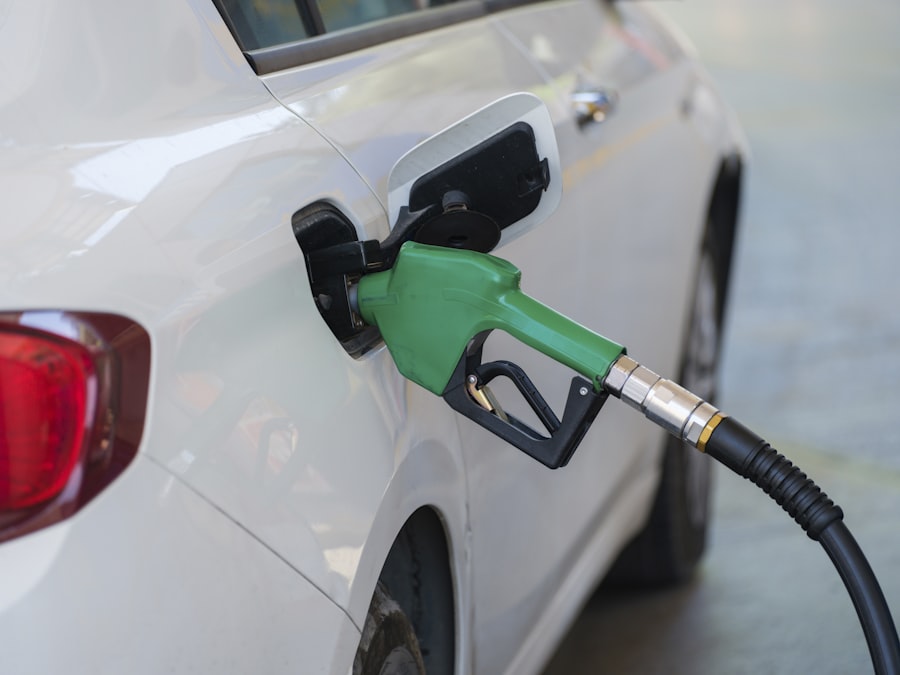
Run a quick projected fuel cost estimate against total miles, including deadhead, before confirming any load, rather than evaluating rate per mile in isolation from the cost of getting there.
Flag Detention Risk Proactively
Warn drivers in advance about shippers and receivers with a history of long wait times, so engines can be shut down rather than left idling through an avoidable delay.
Review Fuel Card Statements Monthly
Set aside time each month to actually look through fuel card statements for unusual price spikes or stations well outside the discount network, rather than treating the statement as a formality.
Discuss Fuel Efficiency in Regular Driver Check-Ins
Bring up fuel efficiency as a normal, non-confrontational part of regular driver communication, rather than only raising it after a noticeably expensive week.
Long-Term Fuel Strategy Beyond the Daily Grind
Preventive Maintenance Partnerships
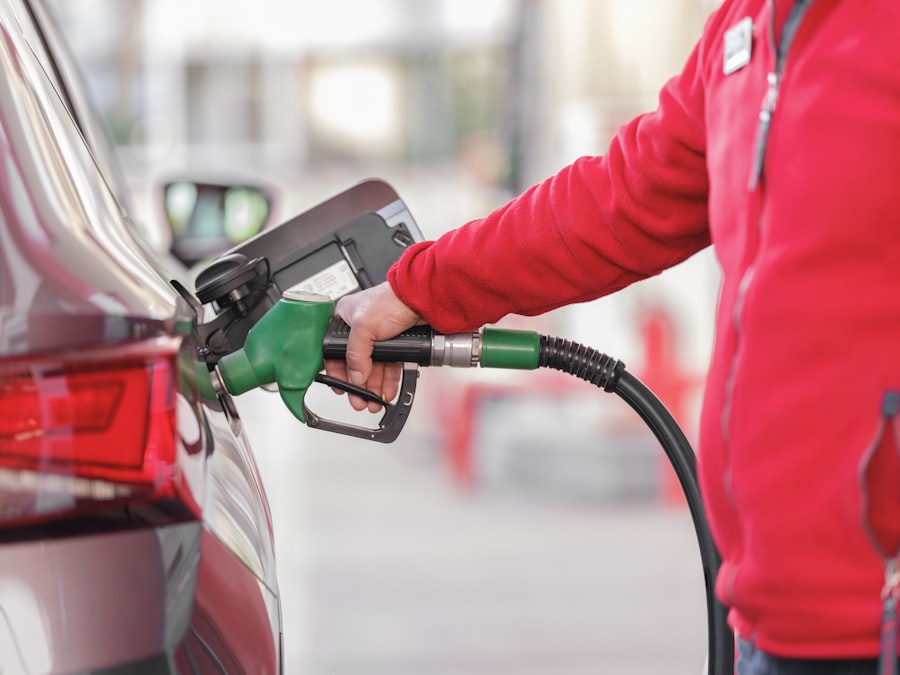
Poorly maintained engines, underinflated tires, and worn components quietly increase fuel consumption over time. Encouraging carriers toward consistent preventive maintenance schedules protects fuel efficiency as much as it protects uptime.
Seasonal Route Planning
Weather, idle-heavy winter conditions, and seasonal traffic patterns affect fuel consumption differently across the year. Building seasonal awareness into lane and route planning avoids repeating the same costly assumptions every season.
Fuel Surcharge Negotiation with Brokers
Fuel surcharge terms vary meaningfully between brokers, and a dispatcher who tracks and compares them across regular broker relationships can steer volume toward partners whose fuel surcharge structure genuinely protects carrier margin.
✅ The Fuel Tracking Habit: Keep a simple running log of fuel cost per mile across your carrier's loads, reviewed monthly rather than only when a particularly expensive week draws attention to it. This habit turns fuel from a vague ongoing worry into a specific, trackable number you can actually manage.
⚠️ The Rate-Only Risk: A dispatcher who evaluates every load purely on headline rate per mile, without ever factoring in deadhead, idle exposure, or route efficiency, can consistently book loads that look strong on paper while quietly squeezing a carrier's real margin. Over months, this gap between perceived and actual profitability is often what pushes a good carrier relationship toward frustration.
Fuel Savings 2026 — Core Principles
- Treat fuel as a recurring strategic factor on every load, not just a fixed cost the driver and fuel card absorb
- Compare loads on projected total fuel cost, including deadhead miles, rather than headline rate per mile alone
- Reduce avoidable idle time by flagging detention risk and communicating realistic appointment windows
- Periodically benchmark fuel card discount depth against competing programs rather than assuming the original choice still wins
- Support preventive maintenance and steady driving behavior as ongoing fuel-efficiency investments, not one-time fixes
- Track fuel cost per mile in a simple running log reviewed monthly to catch drift before it becomes a pattern
🚀 Master Fuel Strategy at Tycoon Dispatch Academy
Our training covers the fuel-cost discipline that protects carrier margins in 2026. Join the Academy today.
💬 WhatsApp Us — Join Today


